Airline Pilot | Safety Consultant | Human Factors Specialist
|
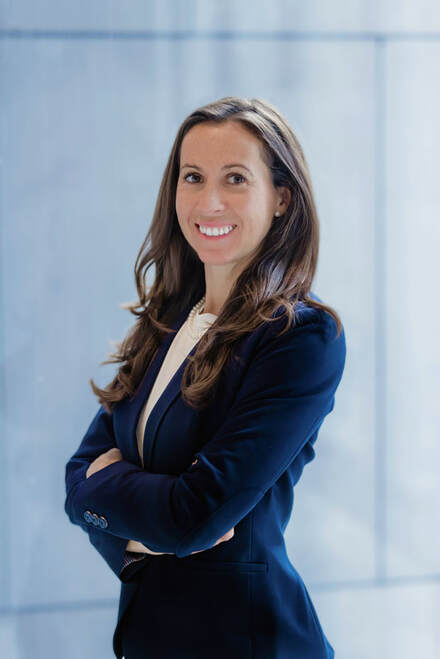
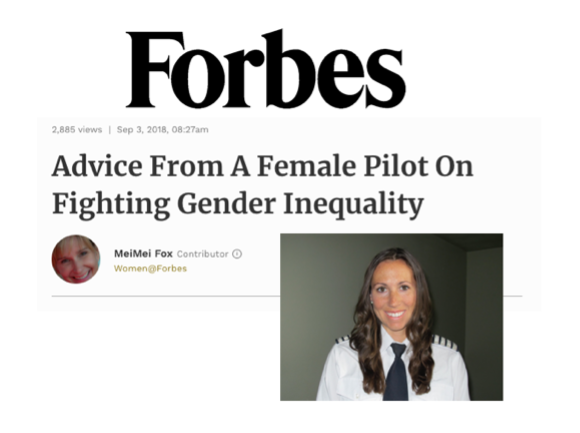
PilotingI currently serve as a Boeing 787 airline pilot, with prior experience in flying business jets. My aviation career has provided me with the opportunity to pilot jet aircraft across six continents and to reside on three, encompassing roles in both commercial airlines and business aviation. This diverse background has afforded me with a rich tapestry of experiences in the global aviation landscape.
Doctorate ResearchMy research explores the nuanced interplay and dyadic relationship of interpersonal skills within the well-established safety systems and models of the aviation industry by positioning the flight deck as a complex sociotechnical system. I am particularly focused on how these skills can be harnessed to optimize risk mitigation and enhance the socio-processing capacity within these systems. This work contributes to the reconceptualization of human factors training, aiming to fortify the already robust safety protocols with the strategic application of social psychological and behavioral science insights.
|
Safety Consultancy
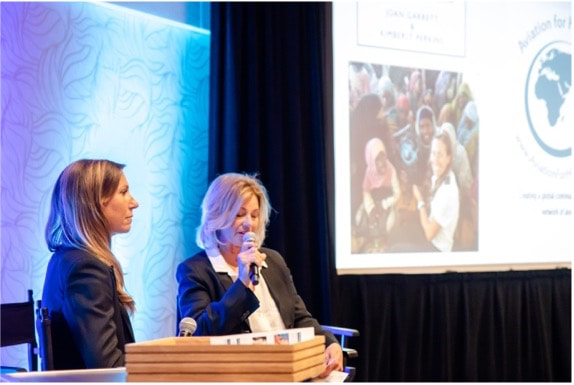
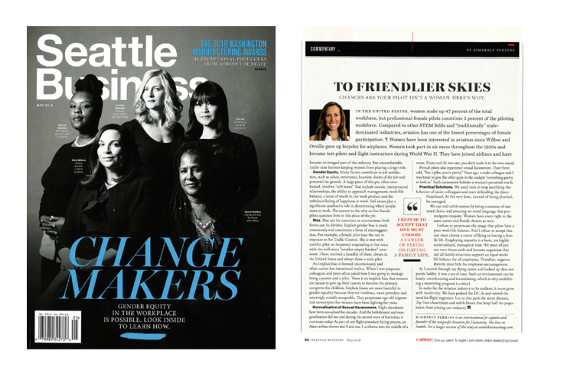
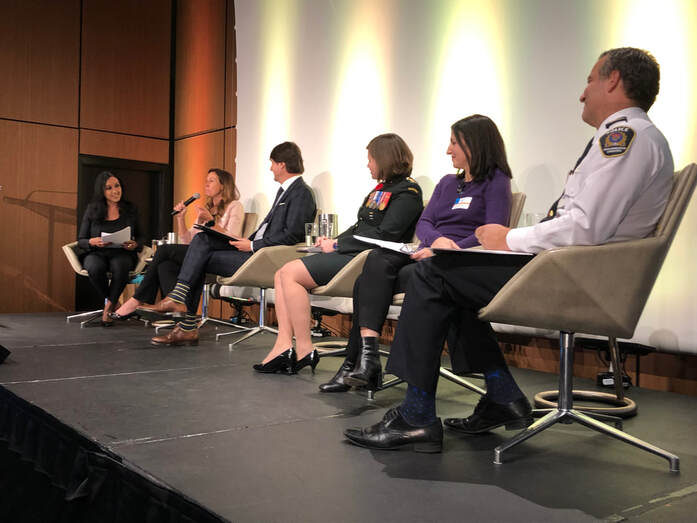
In addition to my responsibilities as a pilot, I have previously served as a Safety Officer, where I was charged with maintaining a robust Safety Management System (SMS) within the flight department. My doctoral research uncovered significant opportunities for incorporating non-technical training within the Safety Promotion pillar of SMS as a process to enhance safety culture, an area in which I actively engage through public speaking opportunities. My passion for safety culture led to the co-founding of a unique consultancy firm.
Empirical Aero has allowed me to blend my expertise in aviation safety systems with a keen interest in behavioral science, social psychology, and human performance, offering a comprehensive approach to enhancing safety and human performance within the aviation industry, specifically for pilots and more broadly for any flight department with an SMS.
Empirical Aero has allowed me to blend my expertise in aviation safety systems with a keen interest in behavioral science, social psychology, and human performance, offering a comprehensive approach to enhancing safety and human performance within the aviation industry, specifically for pilots and more broadly for any flight department with an SMS.




- Founder, Empirical Aero, LLC
- Fellow, Royal Aeronautical Society
- Member, CAE Human Performance Excellence (hpX) Council